We've come across this article pertaining to 4 Ways to Troubleshoot Low Water Pressure down the page on the net and reckoned it made good sense to talk about it with you here.
Low water stress in your house can be a frustrating problem, impacting everything from showering to cleaning dishes. If you're experiencing weak water circulation, there are several possible reasons and remedies to check out. In this guide, we'll go over typical factors for low tide pressure and sensible actions to attend to the issue effectively.
Introduction to Low Water Pressure
Low water pressure happens when the flow of water from your faucets, showers, and various other fixtures is weaker than normal. This can make daily tasks extra challenging and less effective. Recognizing the reasons for low water pressure is critical to finding the right service.
Typical Root Causes Of Low Water Stress
Faulty Stress Regulatory Authorities
Stress regulatory authorities are in charge of maintaining consistent water stress in your house. If they malfunction, it can lead to low tide stress or uneven flow throughout your house.
Local Water Supply Issues
Sometimes, the trouble lies outside your home. Municipal supply of water issues, such as main line leakages or maintenance job, can briefly decrease water stress in your area.
Pipe Obstructions
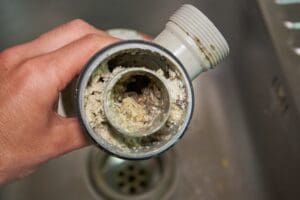
Over time, pipelines can become clogged with natural resource, debris, or debris, restricting the flow of water. This is a common concern in older homes with galvanized steel pipelines.
Rust
Rust within pipes can lead to leakages and minimized water pressure. Corrosion build-up can constrict water flow, especially in maturing plumbing systems.
How to Diagnose Low Tide Stress
Inspecting Pipes
Inspect noticeable pipes for indicators of leakages, deterioration, or obstructions. Take note of any type of unusual sounds, such as banging or rattling pipelines, which can suggest problems within the plumbing system.
Consulting with a Plumber
If you're not able to pinpoint the reason for low water stress, think about hiring a specialist plumber to carry out a complete assessment. They can determine underlying issues and advise suitable remedies.
Inspecting Taps and Fixtures
Beginning by testing the water stress at different taps and fixtures throughout your home. If the problem is separated to specific areas, it might indicate localized issues.
Do It Yourself Solutions to Take Care Of Low Tide Stress
Flushing Water Heater
Sediment accumulation in the hot water heater can limit circulation and reduce efficiency. Flushing the container regularly assists get rid of sediment and keep optimum performance.
Examining Stress Regulatory Authority
Guarantee that the pressure regulator is operating appropriately. Changing or changing the regulator can assist bring back appropriate water pressure throughout your home.
Cleaning Up Aerators and Showerheads
Natural resources can build up in aerators and showerheads, decreasing water flow. Get rid of and clean these components regularly to boost water pressure.
Clearing Clogs in Water Lines
For minor obstructions, attempt utilizing a plumbing snake or chemical drainpipe cleaner to clear obstructions in pipes. Be cautious when making use of chemicals and comply with safety and security guidelines.
When to Call an Expert Plumber
If do it yourself efforts stop working to settle the issue or if you believe considerable plumbing troubles, it's ideal to seek support from a certified plumber. They have the expertise and tools to deal with complicated problems safely and efficiently.
Preventive Measures to Preserve Water Pressure
Setting Up a Pressure Booster
Consider setting up a pressure booster pump to improve water pressure in locations with regularly reduced flow. This can be specifically advantageous for multi-story homes or residential or commercial properties with high-demand components.
Tracking Water Usage
Be mindful of water use habits and stay clear of overtaxing the plumbing system. Easy adjustments, such as staggering showers and laundry tons, can help maintain sufficient water pressure.
Routine Maintenance
Arrange routine upkeep for your plumbing system to prevent issues such as deterioration, leakages, and obstructions. Attending to small problems early can aid stay clear of more significant repair work later on.
Final thought
Handling low tide stress can be aggravating, but recognizing the underlying causes and applying suitable services can restore optimum flow throughout your home. Whether it's cleansing aerators, evaluating pipelines, or consulting with a plumber, taking proactive steps can guarantee a consistent supply of water for your everyday needs.
How to Fix Low Water Pressure In Your Home
Municipal Water Supply Issues
Scheduled maintenance, high demand, and water main breaks are all potential causes for low water pressure within a city or county’s water lines. While there’s not much you can do to personally fix a problem with your city or county’s water supply system, you can play a big role in documenting the issue and alerting those who can.
How to fix it:
Ask your neighbors if they are experiencing any issues with low water pressure. If multiple homes are affected, it’s likely related to the city’s water line. Contact the local Water Authority to see if there is any maintenance taking place that might be affecting your supply. Also let them know of your specific issues. If other homeowners report the same issues, they’ll know that there could be a larger issue to look into. Faulty Fixtures
A damaged or clogged shower head, faucet or appliance is the first thing we’d suggest checking, especially if low water pressure appears to be isolated to a specific area of your home.
How to fix it:
First, turn off the main water supply to your home. Check the affected appliances for build-up or debris. In the case of a faucet, you can simply unscrew the aerator at the tip of the faucet. Showerheads should be fully detached from the water pipe. While the appliances are detached, you may want to check the water supply to determine if the fixtures were in fact the issue. To clean, soak the showerhead or aerator in vinegar and brush off any visible debris. Reattach the fixtures and check the water pressure again. If it is still low, there is likely a deeper issue at hand, which can be determined by a professional plumber. Pipe Obstructions
Mineral deposits, rust or other debris within water pipes can lead to blockages or corrosion over time.
How to fix it:
When you think of a clog, you probably think of a drain clog. While there are many DIY solutions to clearing a drain, clogs in a water pipe will almost always require the help of a professional plumber. A plumber will be able to locate the affected pipe and clean out any debris or mineral deposit buildup. In severe cases, the pipe may need to be replaced. Your plumber might also recommend a water softening system to remove the minerals from your home’s water supply that can contribute to pipe blockages over time.
Plumbing Leak
Undetected water line leaks can divert water away from your residential pipes, reducing the water pressure in your fixtures.
How to fix it:
Check your water meter by turning off all water sources and monitoring the meter for any movement, which could be a clear indicator of a potential leak. Check all visible pipes for signs of leaking, including water stains, active dripping or damp spots around the pipe. Inspect fixtures, including faucets and showerheads, for any drips. Test the pressure but recording the pressure with the main water valve shut off. Leave off for a few hours and test again. A significant drop in pressure is a clear sign of a leak. https://kiddcoplumbing.com/plumbing-blog/how-to-fix-low-water-pressure/
I ran across that blog posting about 9 Reasons for Low Water Pressure in Your House while surfing around the web. Those who enjoyed reading our post kindly do not forget to pass it around. Thank you for taking the time to read it.
Call Today