Do you find yourself hunting for facts involving 9 Reasons for Low Water Pressure in Your House?
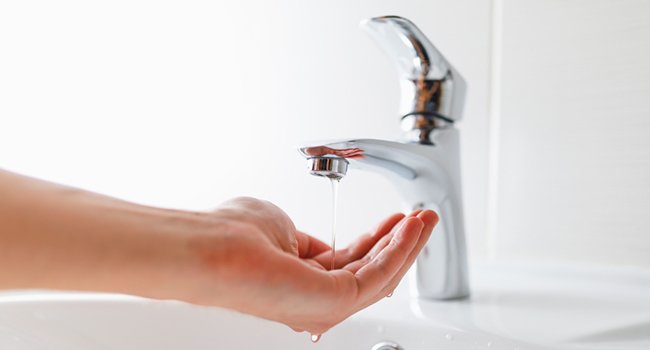
Low water pressure in your house can be a discouraging issue, affecting whatever from showering to cleaning dishes. If you're experiencing weak water circulation, there are numerous feasible reasons and options to check out. In this guide, we'll discuss usual factors for low tide pressure and sensible steps to address the problem effectively.
Introduction to Low Water Stress
Low tide pressure happens when the circulation of water from your taps, showers, and other fixtures is weaker than common. This can make daily tasks much more difficult and less efficient. Understanding the reasons for low tide stress is critical to discovering the appropriate remedy.
Usual Reasons For Low Water Pressure
Pipeline Obstructions
In time, pipelines can come to be obstructed with mineral deposits, sediment, or particles, restricting the circulation of water. This is a typical issue in older homes with galvanized steel pipes.
Deterioration
Corrosion within pipelines can bring about leaks and lowered water stress. Rust build-up can restrict water flow, specifically in aging plumbing systems.
Faulty Stress Regulators
Stress regulators are responsible for preserving constant water stress in your home. If they malfunction, it can cause low water pressure or uneven circulation throughout your house.
Local Water Supply Issues
Often, the issue exists outside your home. Metropolitan water system issues, such as main line leaks or upkeep job, can temporarily decrease water stress in your location.
How to Detect Low Water Pressure
Examining Taps and Fixtures
Start by checking the water stress at different taps and fixtures throughout your home. If the problem is isolated to particular locations, it might suggest localized problems.
Inspecting Pipes
Inspect noticeable pipes for indicators of leakages, corrosion, or clogs. Take notice of any type of unusual sounds, such as knocking or rattling pipelines, which can show concerns within the plumbing system.
Consulting with a Plumber
If you're unable to determine the cause of low tide stress, consider employing an expert plumber to perform a detailed inspection. They can identify underlying concerns and recommend appropriate services.
DIY Solutions to Deal With Low Water Pressure
Cleansing Aerators and Showerheads
Natural resources can accumulate in aerators and showerheads, reducing water circulation. Eliminate and clean up these parts regularly to boost water pressure.
Flushing Hot Water Heater
Sediment accumulation in the hot water heater can restrict circulation and reduce effectiveness. Flushing the container occasionally assists remove debris and preserve ideal performance.
Checking Stress Regulatory Authority
Guarantee that the pressure regulatory authority is operating correctly. Changing or replacing the regulator can help restore appropriate water stress throughout your home.
Cleaning Clogs in Pipeline
For small blockages, attempt utilizing a plumbing serpent or chemical drainpipe cleaner to clear blockages in pipes. Be cautious when using chemicals and follow security guidelines.
When to Call a Specialist Plumber
If do it yourself initiatives stop working to deal with the issue or if you suspect significant plumbing issues, it's ideal to look for assistance from a qualified plumber. They have the competence and devices to resolve complicated issues securely and properly.
Safety Nets to Keep Water Stress
Regular Upkeep
Set up routine upkeep for your plumbing system to prevent concerns such as deterioration, leaks, and blockages. Resolving minor issues early can assist stay clear of even more significant repair work in the future.
Installing a Pressure Booster
Think about mounting a stress booster pump to boost water stress in locations with regularly low circulation. This can be particularly advantageous for multi-story homes or properties with high-demand fixtures.
Monitoring Water Use
Bear in mind water usage practices and stay clear of ill-using the plumbing system. Straightforward adjustments, such as shocking showers and laundry loads, can aid preserve ample water stress.
Conclusion
Dealing with low water pressure can be discouraging, but determining the underlying reasons and carrying out ideal solutions can recover ideal circulation throughout your home. Whether it's cleansing aerators, examining pipes, or consulting with a plumber, taking aggressive steps can make sure a consistent supply of water for your daily demands.
How to Fix Low Water Pressure In Your Home
Municipal Water Supply Issues
Scheduled maintenance, high demand, and water main breaks are all potential causes for low water pressure within a city or county’s water lines. While there’s not much you can do to personally fix a problem with your city or county’s water supply system, you can play a big role in documenting the issue and alerting those who can.
How to fix it:
Ask your neighbors if they are experiencing any issues with low water pressure. If multiple homes are affected, it’s likely related to the city’s water line.
Contact the local Water Authority to see if there is any maintenance taking place that might be affecting your supply. Also let them know of your specific issues. If other homeowners report the same issues, they’ll know that there could be a larger issue to look into.
Faulty Fixtures
A damaged or clogged shower head, faucet or appliance is the first thing we’d suggest checking, especially if low water pressure appears to be isolated to a specific area of your home.
How to fix it:
First, turn off the main water supply to your home.
Check the affected appliances for build-up or debris. In the case of a faucet, you can simply unscrew the aerator at the tip of the faucet. Showerheads should be fully detached from the water pipe.
While the appliances are detached, you may want to check the water supply to determine if the fixtures were in fact the issue.
To clean, soak the showerhead or aerator in vinegar and brush off any visible debris.
Reattach the fixtures and check the water pressure again. If it is still low, there is likely a deeper issue at hand, which can be determined by a professional plumber.
Pipe Obstructions
Mineral deposits, rust or other debris within water pipes can lead to blockages or corrosion over time.
How to fix it:
When you think of a clog, you probably think of a drain clog. While there are many DIY solutions to clearing a drain, clogs in a water pipe will almost always require the help of a professional plumber. A plumber will be able to locate the affected pipe and clean out any debris or mineral deposit buildup. In severe cases, the pipe may need to be replaced. Your plumber might also recommend a water softening system to remove the minerals from your home’s water supply that can contribute to pipe blockages over time.
Plumbing Leak
Undetected water line leaks can divert water away from your residential pipes, reducing the water pressure in your fixtures.
How to fix it:
Check your water meter by turning off all water sources and monitoring the meter for any movement, which could be a clear indicator of a potential leak.
Check all visible pipes for signs of leaking, including water stains, active dripping or damp spots around the pipe.
Inspect fixtures, including faucets and showerheads, for any drips.
Test the pressure but recording the pressure with the main water valve shut off. Leave off for a few hours and test again. A significant drop in pressure is a clear sign of a leak.
https://kiddcoplumbing.com/plumbing-blog/how-to-fix-low-water-pressure/
How to Fix Low Water Pressure In Your Home
Municipal Water Supply Issues
Scheduled maintenance, high demand, and water main breaks are all potential causes for low water pressure within a city or county’s water lines. While there’s not much you can do to personally fix a problem with your city or county’s water supply system, you can play a big role in documenting the issue and alerting those who can.
How to fix it:
Faulty Fixtures
A damaged or clogged shower head, faucet or appliance is the first thing we’d suggest checking, especially if low water pressure appears to be isolated to a specific area of your home.
How to fix it:
Pipe Obstructions
Mineral deposits, rust or other debris within water pipes can lead to blockages or corrosion over time.
How to fix it:
When you think of a clog, you probably think of a drain clog. While there are many DIY solutions to clearing a drain, clogs in a water pipe will almost always require the help of a professional plumber. A plumber will be able to locate the affected pipe and clean out any debris or mineral deposit buildup. In severe cases, the pipe may need to be replaced. Your plumber might also recommend a water softening system to remove the minerals from your home’s water supply that can contribute to pipe blockages over time.
Plumbing Leak
Undetected water line leaks can divert water away from your residential pipes, reducing the water pressure in your fixtures.
How to fix it:
https://kiddcoplumbing.com/plumbing-blog/how-to-fix-low-water-pressure/
As an enthusiastic reader about 9 Reasons for Low Water Pressure in Your House, I imagined sharing that portion was a good thing. Appreciated our piece of writing? Please share it. Let other people discover it. Thank you so much for your time invested reading it.
Call Today